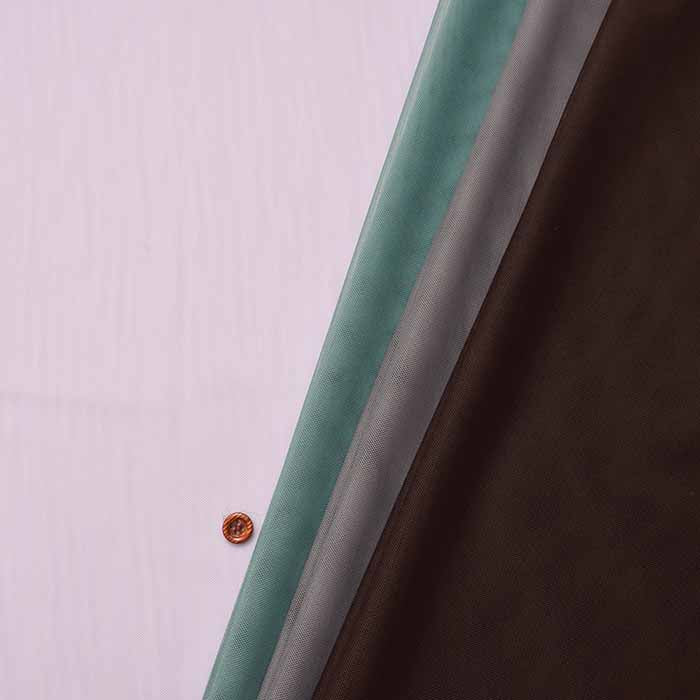
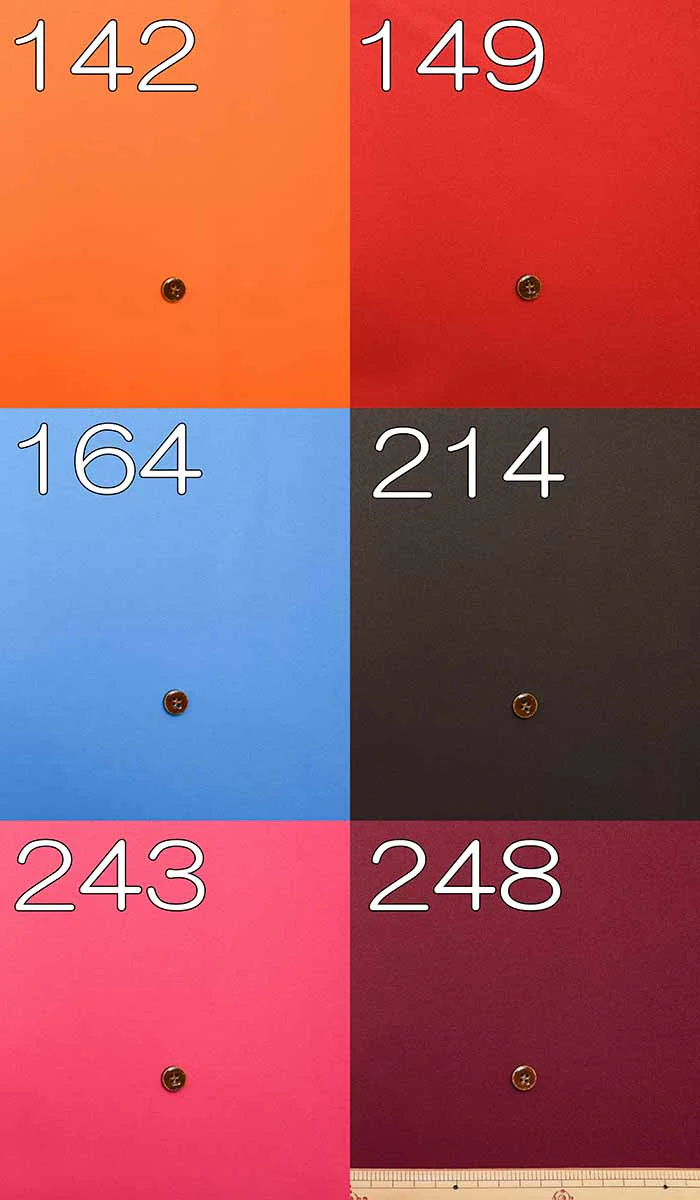
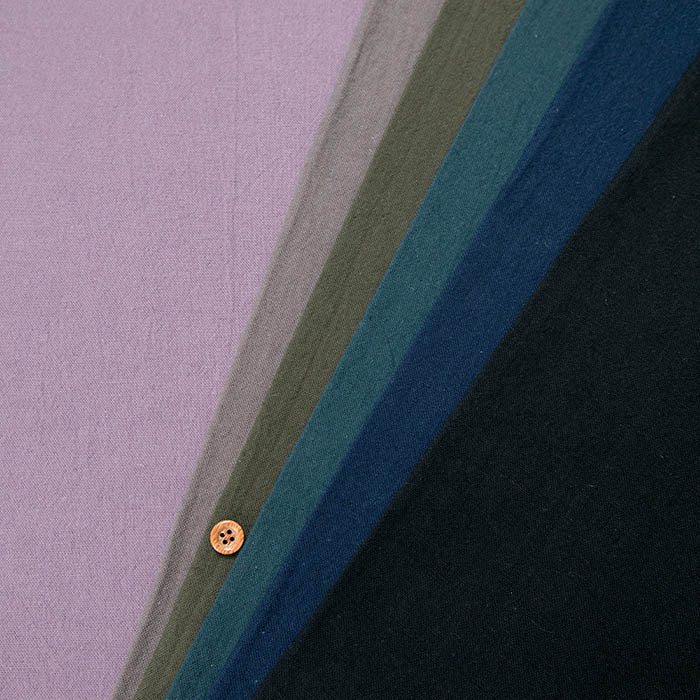
Fusible Interfacing - Lightweight, Stretch Type, With Color
[Product Description]
Fusible interfacing is a type of interfacing that is bonded to fabric using an iron.
When making clothes, bags, or accessories, applying interfacing helps prevent fabric from losing its shape and reduces wrinkles, even after multiple washes.
This is a stretch type, so it adheres well to fabrics, allowing the texture of the outer fabric to remain intact.
It can be used on a wide range of materials, from lightweight cotton, linen, and polyester to medium-weight wool. It is also suitable for knit fabrics that stretch.
Applications:
Collars and facings for shirts and blouses, collars and front bodies for jackets and coats, etc.
Suitable Fabrics:
Lawn, chambray, twill, chino, taffeta, satin, flannel, tweed, gabardine, knits, etc.
Ironing Temperature Guidelines for Bonding: 130-140°C
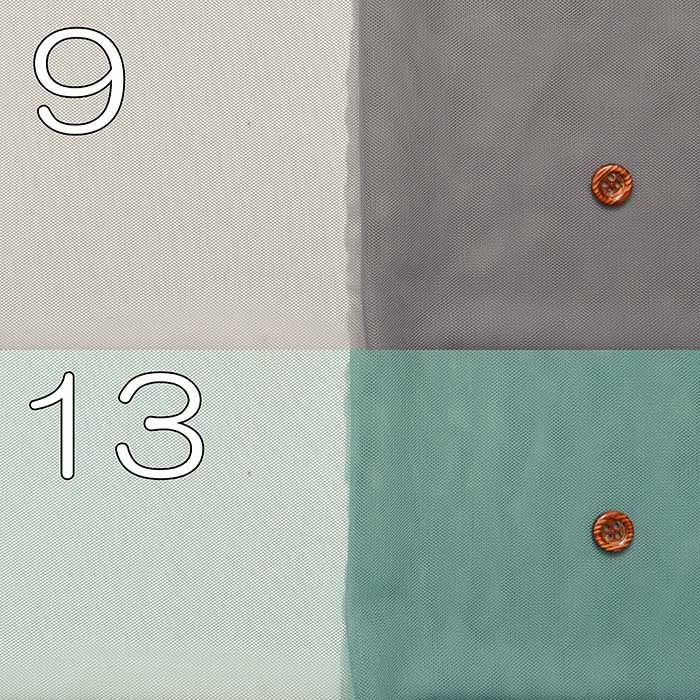
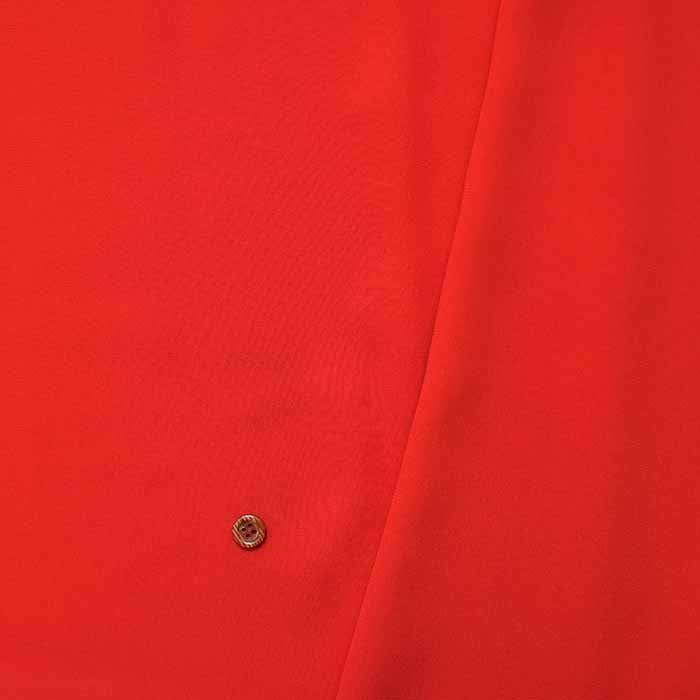
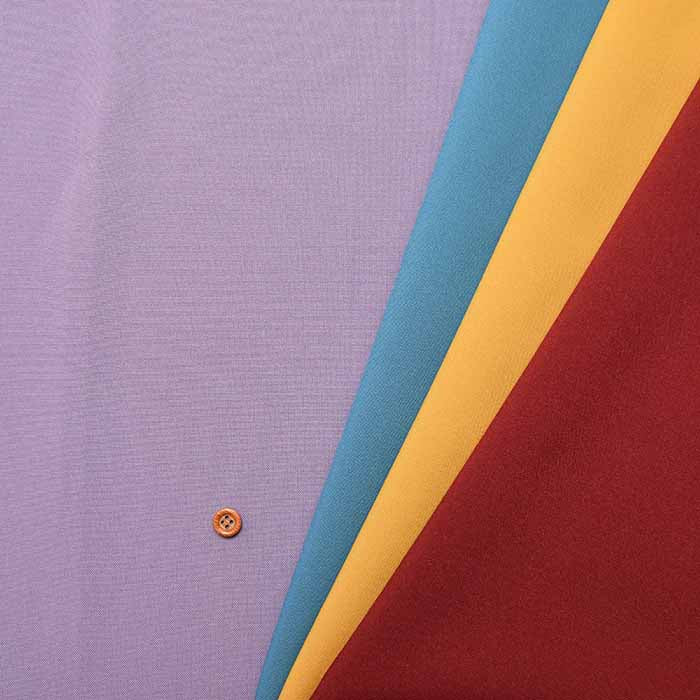
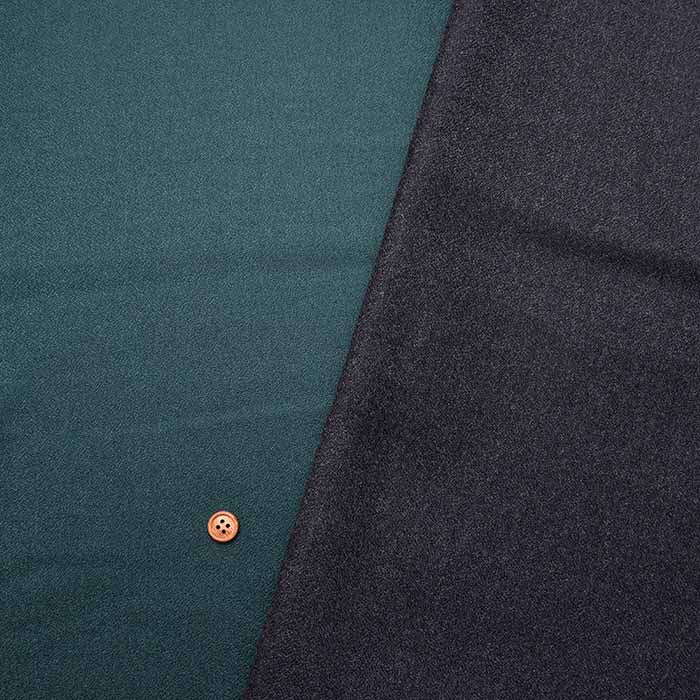
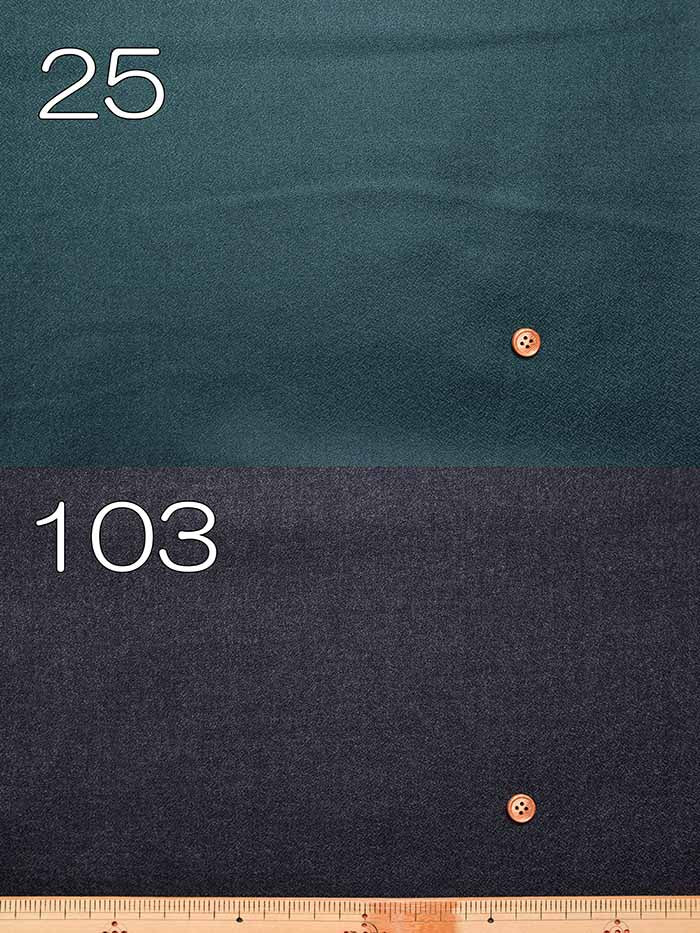
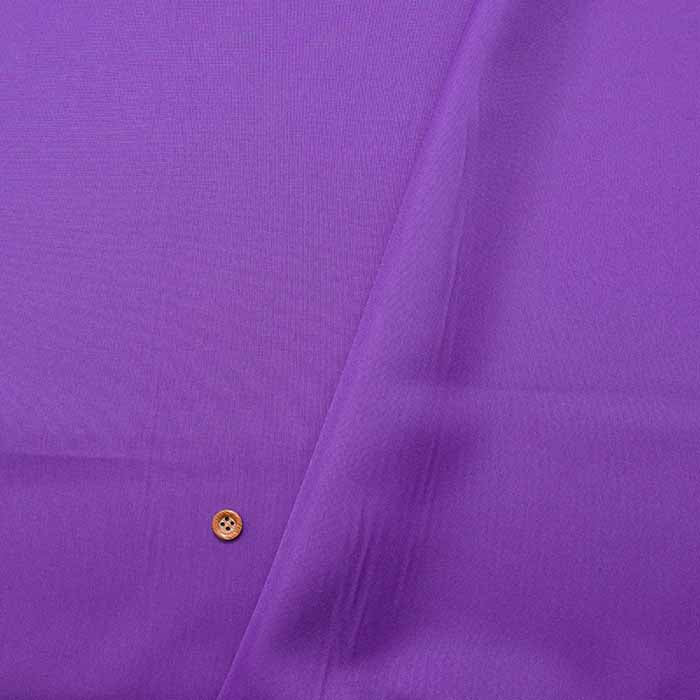
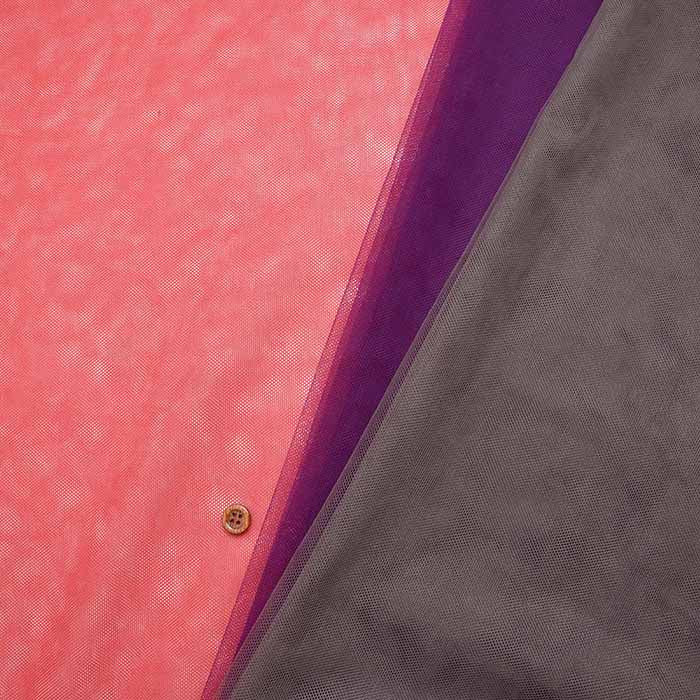
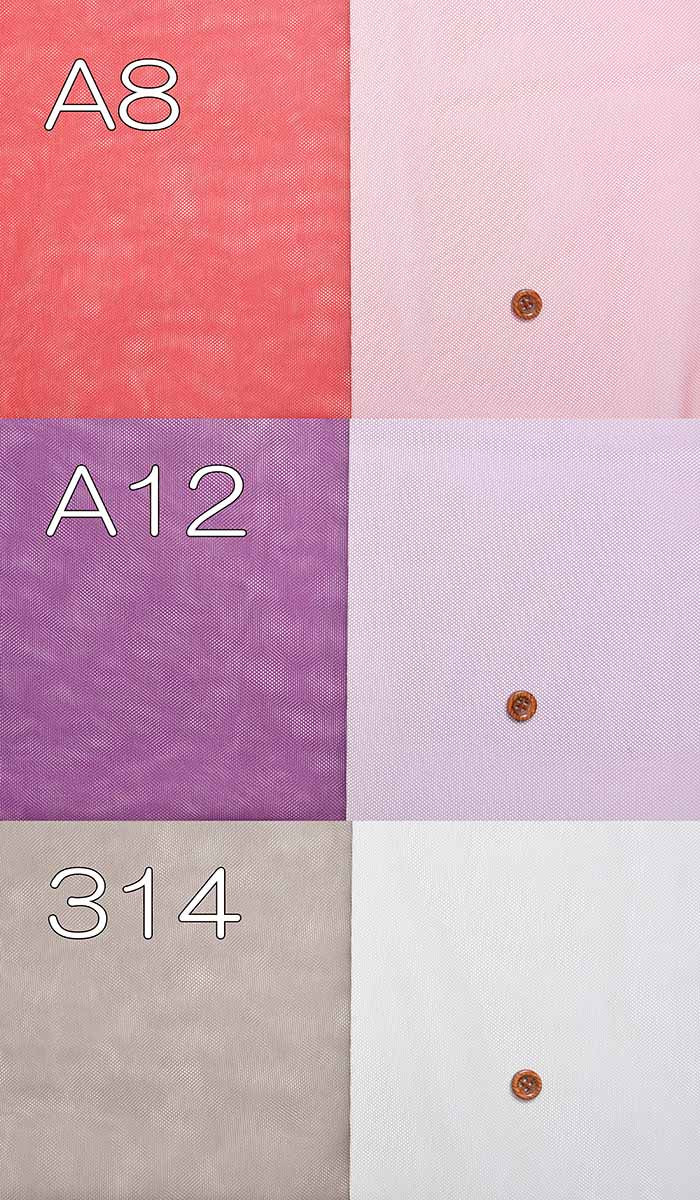
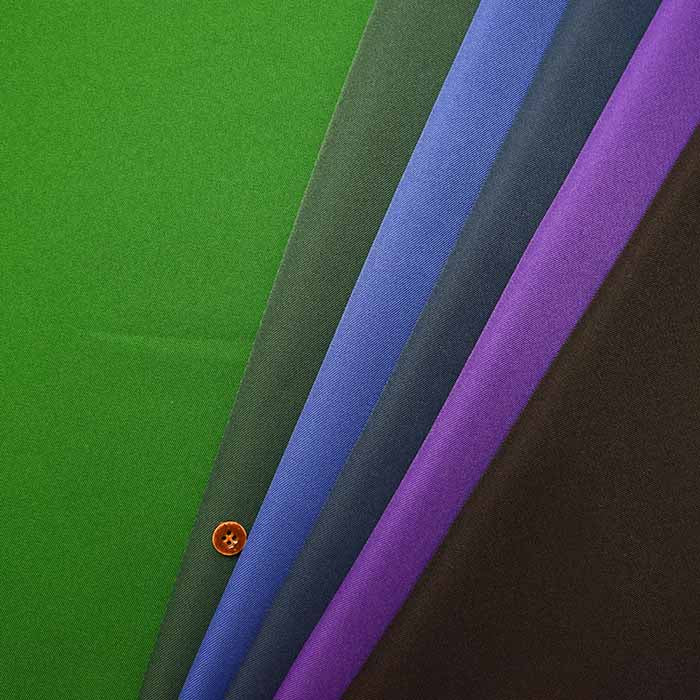
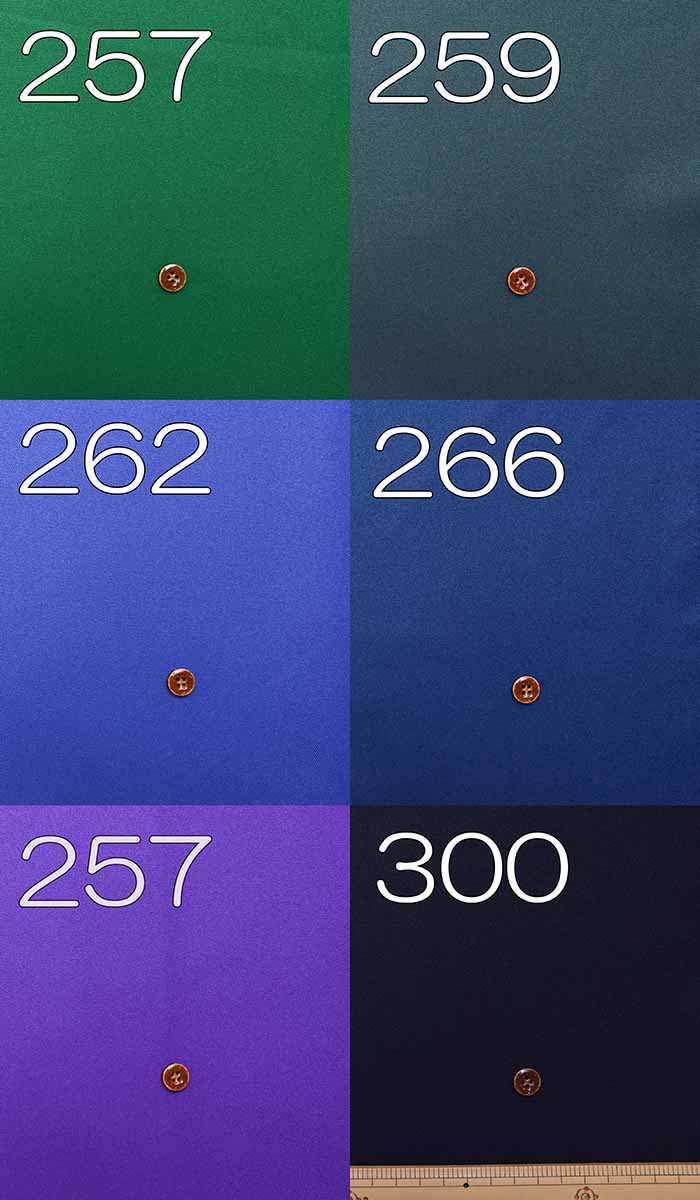
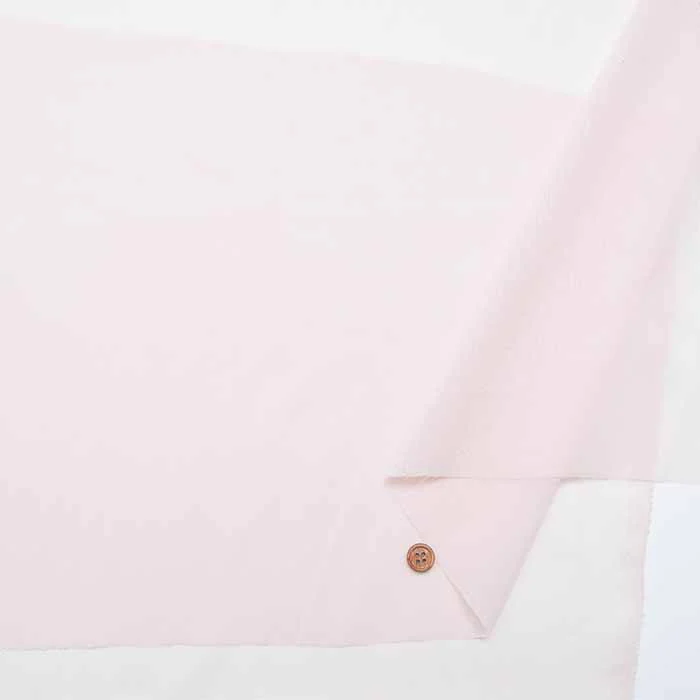
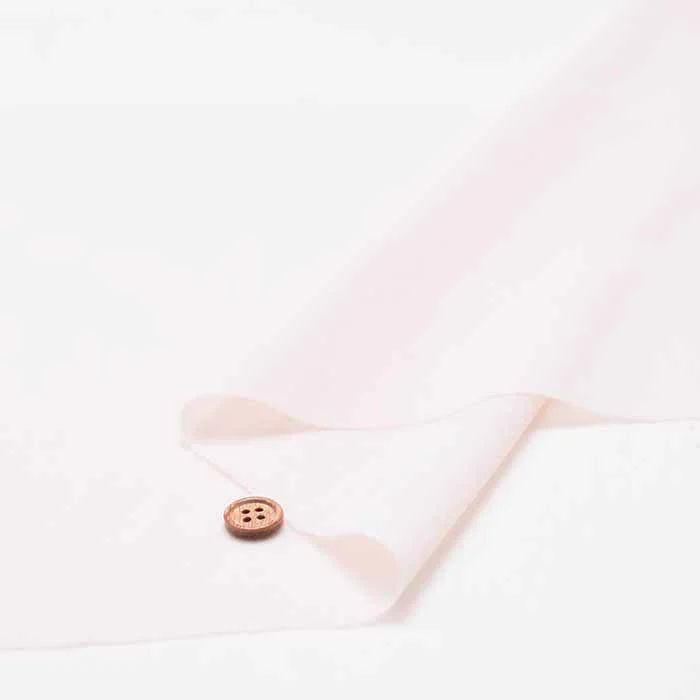
Images 2-5 show a gray board placed on the right half of the fabric.
How to Use:
-
The side with a shiny (reflective) or rough texture is the bonding side.
Place this side down, directly on the wrong side of the fabric. -
Set the iron to dry (no steam) and press down firmly on each section for about 10-15 seconds without sliding the iron.
Precautions:
-
Ironing temperatures may vary depending on the interfacing, so please refer to the "Ironing
Temperature Guidelines for Bonding" in the product description. - Do not use steam when ironing.
-
The recommended applications, suitable fabrics, ironing temperature, and bonding time are guidelines.
Please test with scraps of fabric beforehand. - When applying interfacing to sheer fabrics, the adhesive resin may seep through or affect the transparency of the material, so use with caution.
Material]
100% polyester
Made in Japan
[Fabric width]
Approx. 120cm
Product Information
Product Information
Shipping & Returns
Shipping & Returns
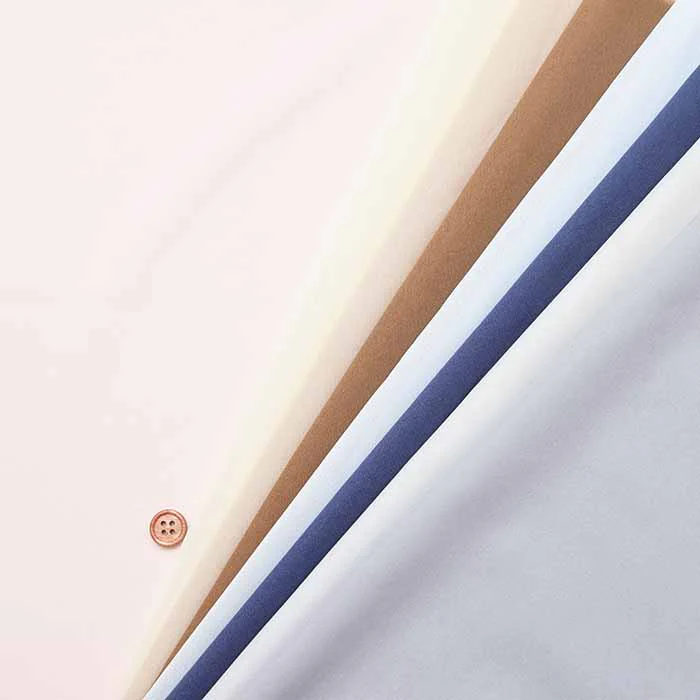
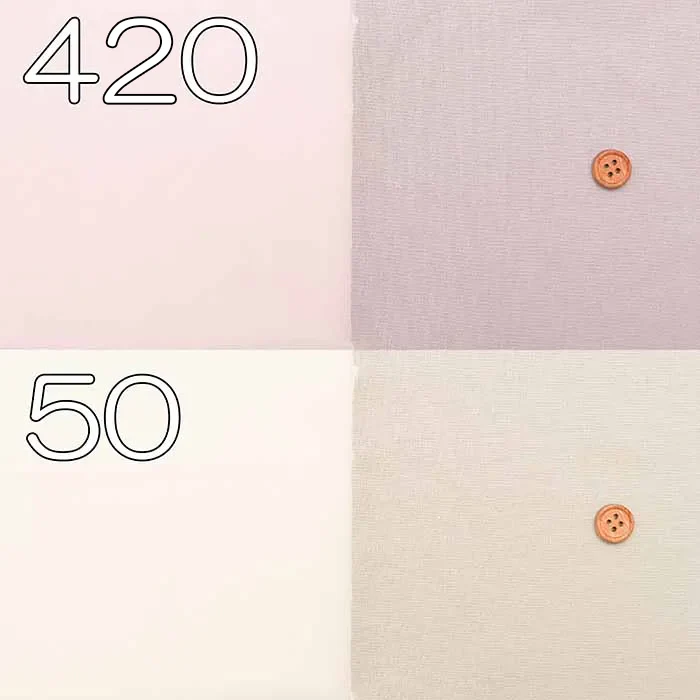



Fusible Interfacing - Lightweight, Stretch Type, With Color
Fusible Interfacing - Lightweight, Stretch Type, With Color
[Product Description]
Fusible interfacing is a type of interfacing that is bonded to fabric using an iron.
When making clothes, bags, or accessories, applying interfacing helps prevent fabric from losing its shape and reduces wrinkles, even after multiple washes.
This is a stretch type, so it adheres well to fabrics, allowing the texture of the outer fabric to remain intact.
It can be used on a wide range of materials, from lightweight cotton, linen, and polyester to medium-weight wool. It is also suitable for knit fabrics that stretch.
Applications:
Collars and facings for shirts and blouses, collars and front bodies for jackets and coats, etc.
Suitable Fabrics:
Lawn, chambray, twill, chino, taffeta, satin, flannel, tweed, gabardine, knits, etc.
Ironing Temperature Guidelines for Bonding: 130-140°C
Images 2-5 show a gray board placed on the right half of the fabric.
How to Use:
-
The side with a shiny (reflective) or rough texture is the bonding side.
Place this side down, directly on the wrong side of the fabric. -
Set the iron to dry (no steam) and press down firmly on each section for about 10-15 seconds without sliding the iron.
Precautions:
-
Ironing temperatures may vary depending on the interfacing, so please refer to the "Ironing
Temperature Guidelines for Bonding" in the product description. - Do not use steam when ironing.
-
The recommended applications, suitable fabrics, ironing temperature, and bonding time are guidelines.
Please test with scraps of fabric beforehand. - When applying interfacing to sheer fabrics, the adhesive resin may seep through or affect the transparency of the material, so use with caution.
Material]
100% polyester
Made in Japan
[Fabric width]
Approx. 120cm
Product Information
Product Information
Shipping & Returns
Shipping & Returns
Description
[Product Description]
Fusible interfacing is a type of interfacing that is bonded to fabric using an iron.
When making clothes, bags, or accessories, applying interfacing helps prevent fabric from losing its shape and reduces wrinkles, even after multiple washes.
This is a stretch type, so it adheres well to fabrics, allowing the texture of the outer fabric to remain intact.
It can be used on a wide range of materials, from lightweight cotton, linen, and polyester to medium-weight wool. It is also suitable for knit fabrics that stretch.
Applications:
Collars and facings for shirts and blouses, collars and front bodies for jackets and coats, etc.
Suitable Fabrics:
Lawn, chambray, twill, chino, taffeta, satin, flannel, tweed, gabardine, knits, etc.
Ironing Temperature Guidelines for Bonding: 130-140°C
Images 2-5 show a gray board placed on the right half of the fabric.
How to Use:
-
The side with a shiny (reflective) or rough texture is the bonding side.
Place this side down, directly on the wrong side of the fabric. -
Set the iron to dry (no steam) and press down firmly on each section for about 10-15 seconds without sliding the iron.
Precautions:
-
Ironing temperatures may vary depending on the interfacing, so please refer to the "Ironing
Temperature Guidelines for Bonding" in the product description. - Do not use steam when ironing.
-
The recommended applications, suitable fabrics, ironing temperature, and bonding time are guidelines.
Please test with scraps of fabric beforehand. - When applying interfacing to sheer fabrics, the adhesive resin may seep through or affect the transparency of the material, so use with caution.
Material]
100% polyester
Made in Japan
[Fabric width]
Approx. 120cm