Extra Thick Interfacing[Hard]
[Product description]
Fusible interfacing is adhered to fabric with an iron.
When making clothes, bags, or small items, applying interfacing to fabric prevents deformation and makes wrinkles less likely even after repeated washing.
Extra Thick Interfacing[Hard]
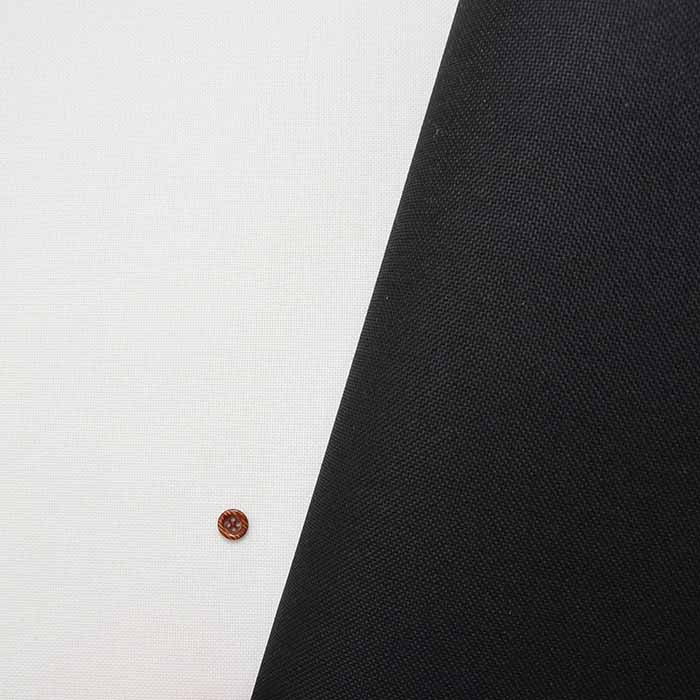
Extremely thick and stiff, recommended when strong firmness is needed.
Does not easily blend with fabric, and layering multiple pieces may make sewing difficult with home sewing machines.
Usage: caps brims, bag bottoms, etc.
Recommended iron temperature for fusing: 150℃
*May not fuse well with household irons.
*Please refer to the “Fusible Interfacing Comparison Chart” image for stiffness and thickness of interfacing.
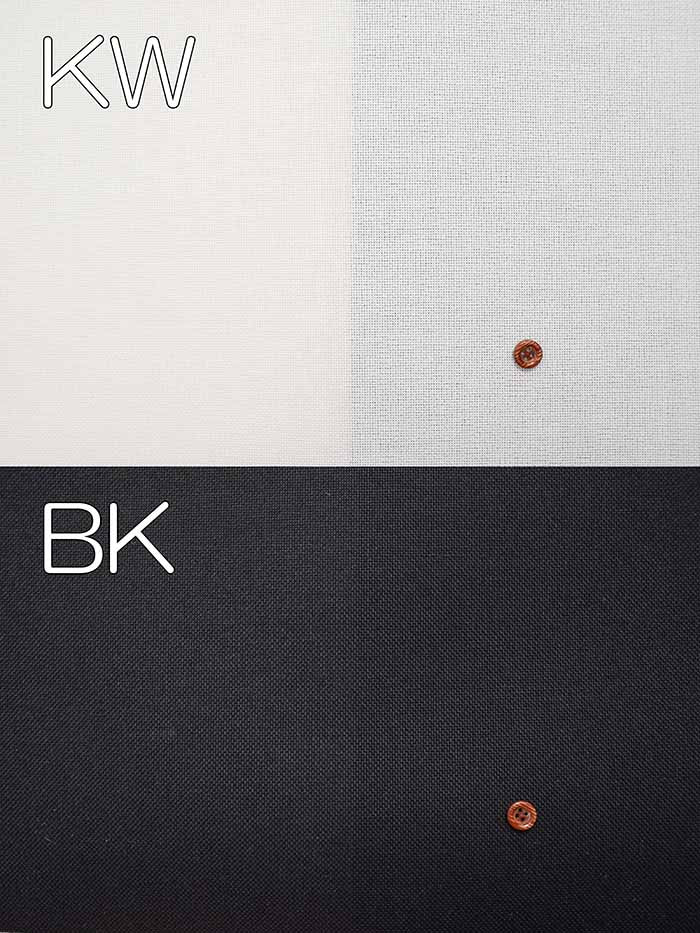
*In the second image, the gray board is placed on the right half.
[How to Use]
-
The side with a shiny (reflective) or rough surface caused by adhesive resin is the adhesive side. Place this side down onto the back side of the fabric.
-
Set the iron to dry mode and press without sliding, holding about 10–15 seconds per spot.
[Notes]
-
Iron temperature varies by interfacing; please refer to the recommended temperature in the product description.
-
Use dry iron only; do not use steam.
-
Usage, suitable materials, iron temperature, and pressing time are guidelines. Please test with scraps before use.
-
When applied to sheer materials, adhesive resin may seep through or reduce transparency, so be cautious.
[Material]
100% Polyester
Made in Japan
[Fabric Width]
Approx. 120 cm
Product Information
Product Information
Shipping & Returns
Shipping & Returns
Extra Thick Interfacing[Hard]
Extra Thick Interfacing[Hard]
[Product description]
Fusible interfacing is adhered to fabric with an iron.
When making clothes, bags, or small items, applying interfacing to fabric prevents deformation and makes wrinkles less likely even after repeated washing.
Extra Thick Interfacing[Hard]
Extremely thick and stiff, recommended when strong firmness is needed.
Does not easily blend with fabric, and layering multiple pieces may make sewing difficult with home sewing machines.
Usage: caps brims, bag bottoms, etc.
Recommended iron temperature for fusing: 150℃
*May not fuse well with household irons.
*Please refer to the “Fusible Interfacing Comparison Chart” image for stiffness and thickness of interfacing.
*In the second image, the gray board is placed on the right half.
[How to Use]
-
The side with a shiny (reflective) or rough surface caused by adhesive resin is the adhesive side. Place this side down onto the back side of the fabric.
-
Set the iron to dry mode and press without sliding, holding about 10–15 seconds per spot.
[Notes]
-
Iron temperature varies by interfacing; please refer to the recommended temperature in the product description.
-
Use dry iron only; do not use steam.
-
Usage, suitable materials, iron temperature, and pressing time are guidelines. Please test with scraps before use.
-
When applied to sheer materials, adhesive resin may seep through or reduce transparency, so be cautious.
[Material]
100% Polyester
Made in Japan
[Fabric Width]
Approx. 120 cm
Original: $1.79
-65%$1.79
$0.63Product Information
Product Information
Shipping & Returns
Shipping & Returns
Description
[Product description]
Fusible interfacing is adhered to fabric with an iron.
When making clothes, bags, or small items, applying interfacing to fabric prevents deformation and makes wrinkles less likely even after repeated washing.
Extra Thick Interfacing[Hard]
Extremely thick and stiff, recommended when strong firmness is needed.
Does not easily blend with fabric, and layering multiple pieces may make sewing difficult with home sewing machines.
Usage: caps brims, bag bottoms, etc.
Recommended iron temperature for fusing: 150℃
*May not fuse well with household irons.
*Please refer to the “Fusible Interfacing Comparison Chart” image for stiffness and thickness of interfacing.
*In the second image, the gray board is placed on the right half.
[How to Use]
-
The side with a shiny (reflective) or rough surface caused by adhesive resin is the adhesive side. Place this side down onto the back side of the fabric.
-
Set the iron to dry mode and press without sliding, holding about 10–15 seconds per spot.
[Notes]
-
Iron temperature varies by interfacing; please refer to the recommended temperature in the product description.
-
Use dry iron only; do not use steam.
-
Usage, suitable materials, iron temperature, and pressing time are guidelines. Please test with scraps before use.
-
When applied to sheer materials, adhesive resin may seep through or reduce transparency, so be cautious.
[Material]
100% Polyester
Made in Japan
[Fabric Width]
Approx. 120 cm